


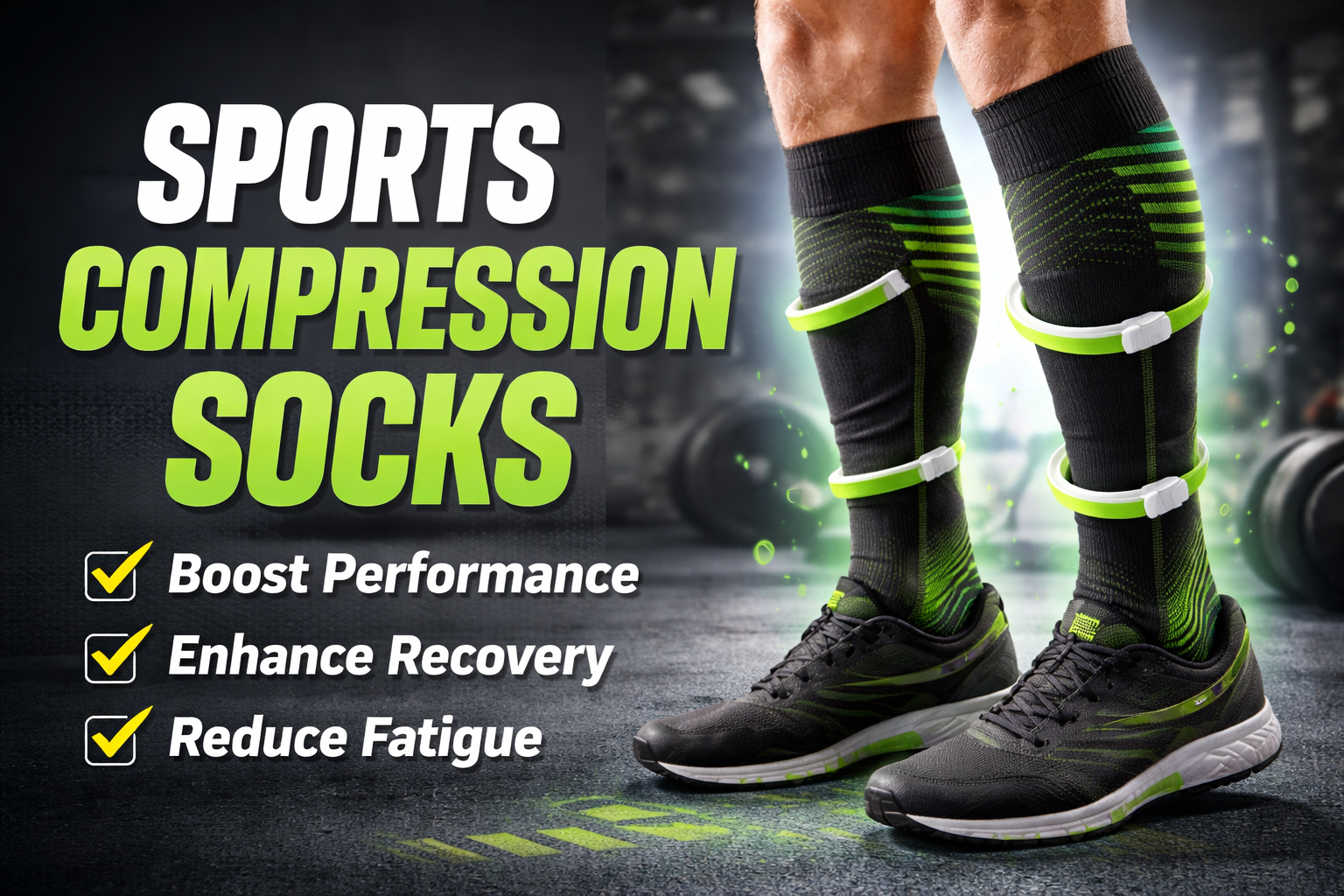
Sports Compression Socks are no longer just a trend—they’ve become an essential part of every athlete’s gear, from runners and gym-goers to professionals and even people with long standing jobs. If you’re looking to improve performance, reduce muscle fatigue, and recover faster, understanding how Sports Compression Socks work can completely change your routine.
In this expert-level guide, you’ll learn everything about Sports Compression Socks, backed by real-world usage, practical insights, and SEO-focused knowledge to help you make the best decision.
What Are Sports Compression Socks?
Sports Compression Socks are specially designed elastic socks that apply graduated pressure to your legs, typically tighter at the ankle and gradually loosening towards the calf. This pressure helps improve blood circulation, reduce swelling, and support muscles during physical activity.
Unlike regular socks, Sports Compression Socks are engineered using advanced fabrics that provide durability, breathability, and moisture-wicking capabilities—perfect for both workouts and daily use.
Why Athletes Use Sports Compression Socks
Athletes across different sports rely on Sports Compression Socks for a reason. Whether you’re lifting weights, running marathons, or playing football, these socks provide measurable benefits.
Key Benefits: of Sports Compression Socks
- Improved blood circulation
- Reduced muscle vibration
- Faster recovery time
- Prevention of cramps and fatigue
- Enhanced endurance
When muscles receive better oxygen supply, performance naturally improves. That’s why Sports Compression Socks are widely used by professionals and beginners alike.
How Sports Compression Socks Work
The science behind Sports Compression Socks lies in graduated compression technology. This means:
- Maximum pressure at the ankle
- Moderate pressure at the calf
- Minimal pressure near the knee
This structure helps push blood upward toward the heart, reducing blood pooling in the lower legs.
Result:
- Better oxygen flow
- Reduced lactic acid buildup
- Lower risk of swelling
This is why wearing Sports Compression Socks during workouts can make a noticeable difference in how your legs feel.
Types of Sports Compression Socks
Choosing the right type of Sports Compression Socks is crucial. Here are the main categories:
1. Knee-High Compression Socks
Perfect for runners and athletes who need full calf support.
2. Ankle Compression Socks
Best for gym workouts and light sports activities.
3. Graduated Compression Socks
Most effective for circulation and recovery.
4. Anti-Fatigue Compression Socks
Ideal for long standing jobs like doctors, nurses, and retail workers.
Each type of Sports Compression Socks serves a specific purpose, so choosing according to your need is important.
Who Should Use Sports Compression Socks?
Sports Compression Socks are not just for athletes. They are beneficial for:
- Gym enthusiasts
- Runners & marathoners
- Cyclists
- Office workers
- Travelers (long flights)
- People with leg pain or swelling
If you experience tired legs or muscle soreness, Sports Compression Socks can provide immediate relief.
Sports Compression Socks for Gym & Fitness
During workouts, your muscles undergo stress and micro-tears. Wearing Sports Compression Socks helps:
- Stabilize muscles
- Reduce fatigue
- Improve performance
- Prevent injury
Especially during leg day or cardio sessions, Sports Compression Socks can enhance endurance and reduce post-workout soreness.
Sports Compression Socks for Running
Runners benefit the most from Sports Compression Socks. Here’s how:
- Minimize shin splints
- Improve running efficiency
- Reduce calf strain
- Enhance recovery
Many runners report less soreness and quicker recovery when consistently using Sports Compression Socks.
Sports Compression Socks for Recovery
Recovery is just as important as performance. After intense workouts, Sports Compression Socks help:
- Flush out toxins
- Reduce inflammation
- Speed up muscle repair
Wearing Sports Compression Socks post-workout or even while sleeping (if recommended) can significantly improve recovery time.
How to Choose the Right Sports Compression Socks
Selecting the right Sports Compression Socks is critical for effectiveness.
Consider These Factors: of Sports Compression Socks
1. Compression Level
- Mild (10–15 mmHg): Daily wear
- Moderate (15–20 mmHg): Sports & fitness
- High (20–30 mmHg): Medical use
2. Material
Look for breathable, sweat-wicking fabric.
3. Size & Fit
Proper fit is essential. Too tight can restrict blood flow; too loose won’t be effective.
4. Purpose
Choose based on your activity—running, gym, recovery, or travel.
Common Mistakes to Avoid
Many users don’t get full benefits due to these mistakes:
- Wearing wrong size
- Choosing incorrect compression level
- Not wearing them consistently
- Using low-quality products
To maximize results, always invest in high-quality Sports Compression Socks and use them correctly.
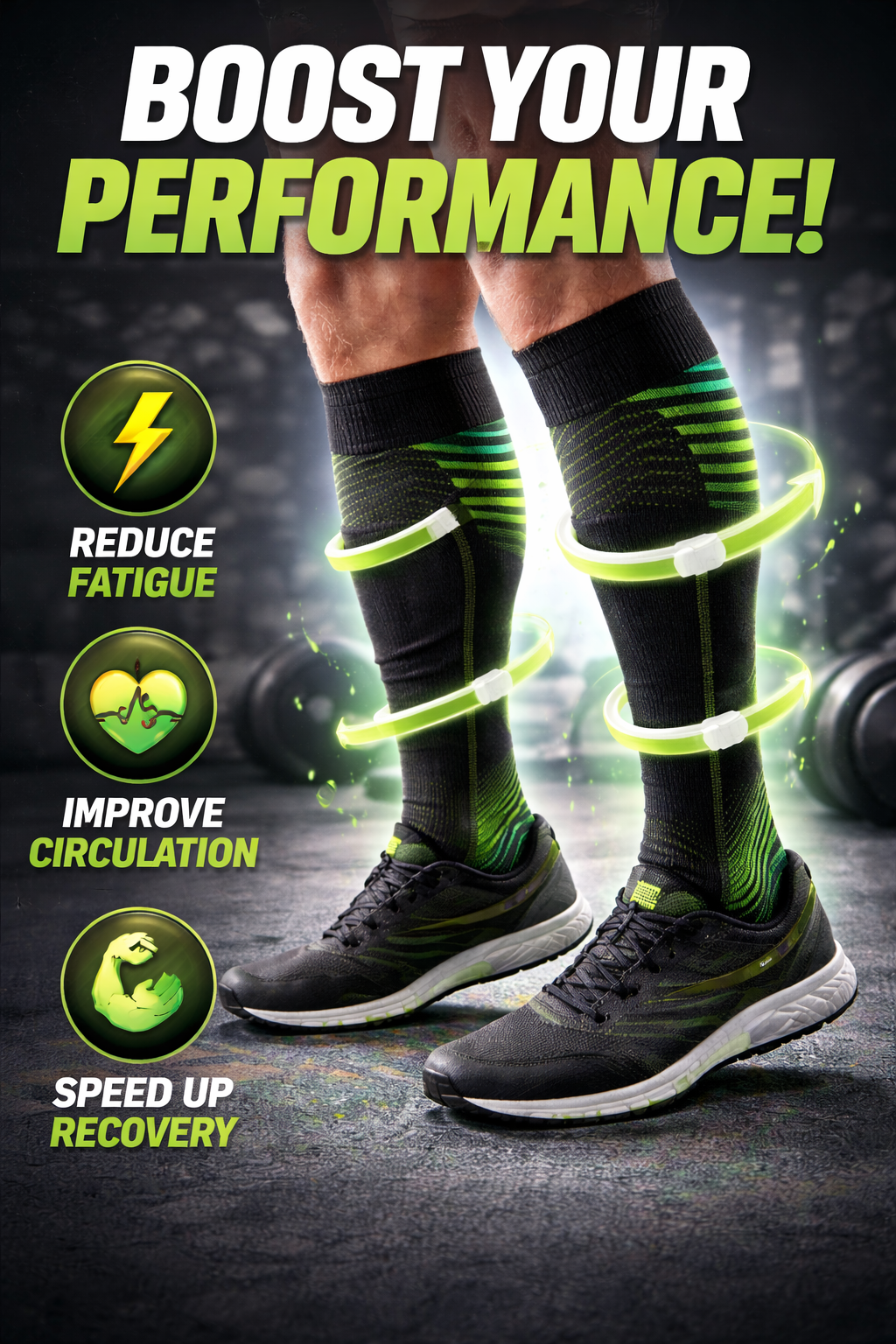
When Should You Wear Sports Compression Socks?
Timing matters when using Sports Compression Socks.
Best Times:
- During workouts
- After exercise (recovery phase)
- While traveling
- During long work shifts
Consistency is key to experiencing the full benefits of Sports Compression Socks.
Are Sports Compression Socks Safe?
Yes, Sports Compression Socks are generally safe for daily use. However:
- Consult a doctor if you have medical conditions
- Avoid extremely tight socks
- Follow recommended usage duration
For most people, Sports Compression Socks are a safe and effective solution for leg support.
Real User Experience (Human Insight) of Sports Compression Socks
Many users report that once they start using Sports Compression Socks, they don’t go back to regular socks.
- “Less leg fatigue after gym”
- “Improved stamina while running”
- “No more swelling during long work hours”
These real-world results highlight the growing popularity of Sports Compression Socks.
Why Sports Compression Socks Are Trending
Search demand for Sports Compression Socks is rapidly increasing due to:
- Growing fitness awareness
- Rise in gym culture
- Increased sedentary lifestyles
- Awareness about recovery and injury prevention
This makes Sports Compression Socks a high-conversion product for blogs and eCommerce websites.
Conclusion
Sports Compression Socks are more than just a fitness accessory—they are a performance booster, recovery enhancer, and daily comfort solution.
Whether you’re an athlete, a fitness enthusiast, or someone dealing with leg fatigue, investing in high-quality Sports Compression Socks can transform your routine.
If your goal is better performance, faster recovery, and long-term leg health, Sports Compression Socks are a must-have.
FAQs
Q1. Do Sports Compression Socks really work?
Yes, Sports Compression Socks improve blood circulation, reduce muscle fatigue, and speed up recovery, making them highly effective.
Q2. Can I wear Sports Compression Socks all day?
Yes, you can wear Sports Compression Socks all day, especially if you stand or sit for long hours.
Q3. Are Sports Compression Socks good for gym workouts?
Absolutely. Sports Compression Socks help reduce muscle vibration and improve performance during workouts.
Q4. Do runners need Sports Compression Socks?
Runners benefit greatly from Sports Compression Socks as they reduce shin splints and improve endurance.
Q5. How tight should Sports Compression Socks be?
They should feel snug but not painful. Proper fit is essential for effective compression.
Q6. Can Sports Compression Socks prevent injuries?
While not guaranteed, Sports Compression Socks reduce muscle strain and fatigue, lowering injury risk.
Q7. When should I wear Sports Compression Socks for best results?
Wear them during workouts, after exercise, and during long sitting or standing periods.
Q8. Are Sports Compression Socks useful for travel?
Yes, they prevent swelling and improve circulation during long flights or road trips.
Q9. How long should I wear Sports Compression Socks after workout?
2–4 hours post-workout is ideal for recovery benefits.
Q10. Which is better: ankle or knee-high Sports Compression Socks?
Knee-high Sports Compression Socks provide better circulation support, especially for runners.