
- Your cart is empty
- Continue Shopping
Top Orthopedic Support Products Doctors Recommend: A Complete Guide for Pain Relief, Recovery & Daily Support
- Uncategorized
- Posted on
by GlobMedSurgiCare

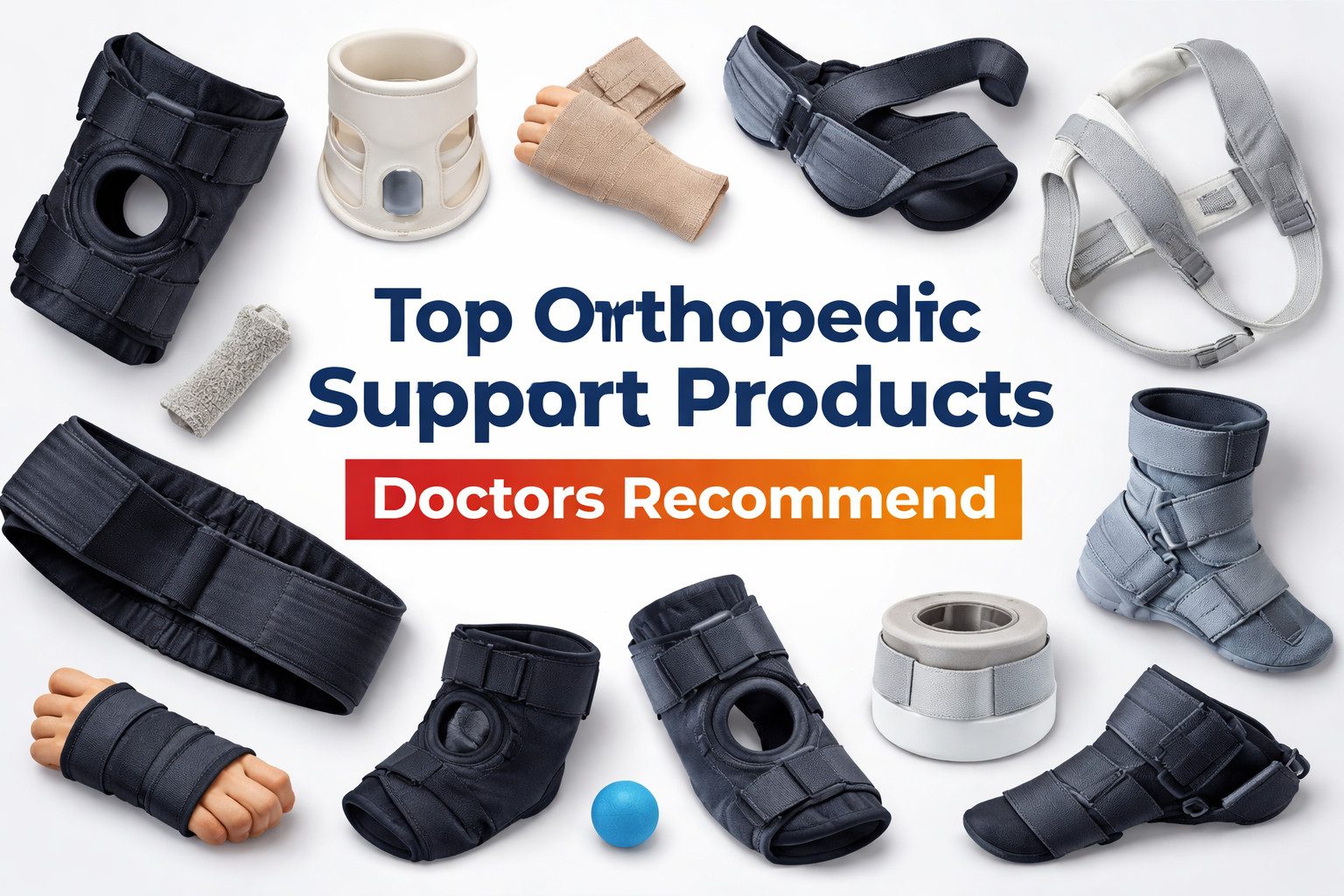
Top Orthopedic Support Products Doctors Recommend are often the first non-surgical step people explore when dealing with joint pain, sports injuries, posture problems, swelling, or mobility issues. Whether you are managing knee discomfort, wrist strain from computer work, lower back pain, or ankle instability, the right orthopedic support product can improve comfort, reduce stress on joints, and help you stay active.
Many people wait too long before using supports, braces, or compression aids. In reality, doctors and physiotherapists frequently suggest these products as part of recovery plans, rehabilitation routines, and preventive care. The key is choosing the right support for the right condition.
In this detailed guide, we’ll explain Top Orthopedic Support Products Doctors Recommend, how they work, who should use them, common mistakes to avoid, and how to select high-quality options for long-term use.
Why Top Orthopedic Support Products Doctors Recommend Matter for Everyday Health
When joints, muscles, ligaments, or bones are under strain, the body often compensates in unhealthy ways. This can create more pain over time. That is why Top Orthopedic Support Products Doctors Recommend are designed to stabilize movement, reduce pressure, improve alignment, and encourage healing.
These products are commonly used for:
- Knee pain and arthritis
- Lower back pain
- Wrist strain and carpal tunnel discomfort
- Sports injuries
- Post-surgery recovery
- Swelling management
- Neck stiffness
- Poor posture
- Ligament support
- Mobility assistance for seniors
Using proper support early may help prevent minor discomfort from becoming a major issue.
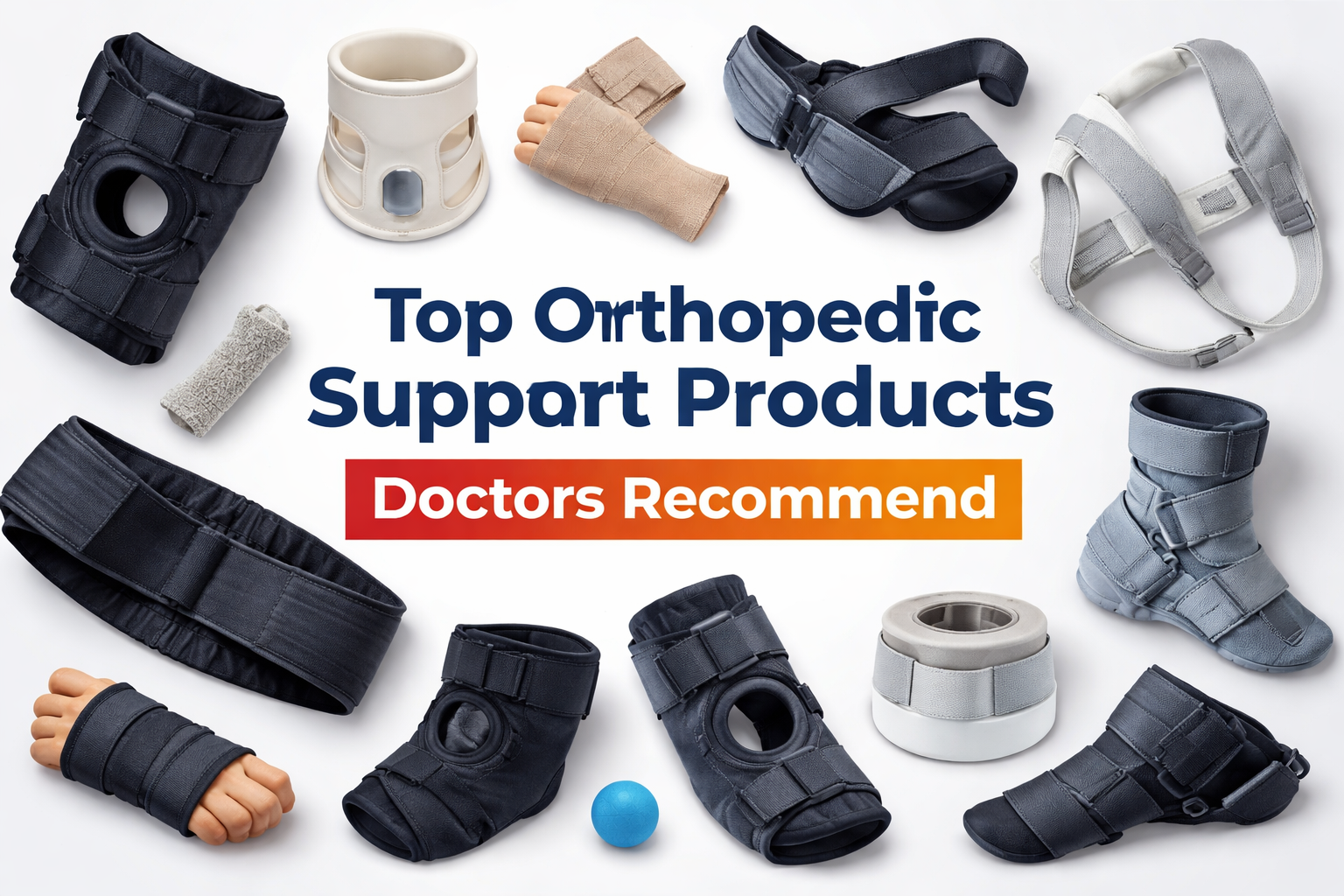
Top Orthopedic Support Products Doctors Recommend for Different Conditions
Not every brace or support works for every person. Below are the most trusted categories among specialists and rehab professionals.
1. Knee Supports and Knee Braces
Knee supports are among the Top Orthopedic Support Products Doctors Recommend because knees absorb body weight and daily stress constantly.
Best for:
- Osteoarthritis
- Meniscus strain
- Mild ligament instability
- Gym workout support
- Walking discomfort
- Post-injury recovery
Common types:
- Open patella knee caps
- Hinged knee braces
- Compression knee sleeves
- Knee immobilizers
A good knee brace should provide support without cutting circulation.
2. Lumbar Belts for Lower Back Support
Lower back pain is one of the most common adult complaints. Lumbar belts help stabilize the spine and reduce excess strain.
Doctors often recommend lumbar belts for:
- Long sitting hours
- Office workers
- Heavy lifting jobs
- Mild disc-related discomfort
- Weak core support during recovery
Choose breathable belts with adjustable compression.
3. Wrist and Thumb Braces
With increasing mobile and laptop use, wrist pain has become common. Wrist braces reduce unwanted motion and help tissues rest.
Ideal for:
- Carpal tunnel symptoms
- Tendon strain
- Repetitive stress injury
- Thumb pain
- Gaming strain
- Typing discomfort
This category remains among Top Orthopedic Support Products Doctors Recommend for desk workers and professionals.
4. Cervical Collars for Neck Support
Neck pain from poor posture, long driving hours, and screen time is rising quickly.
Doctors may suggest cervical collars for:
- Temporary neck strain
- Whiplash recovery
- Cervical spondylosis support
- Muscle spasm relief
Use only as advised, because prolonged use without guidance may weaken muscles.
5. Ankle Supports and Compression Braces
Ankle sprains are extremely common. Support braces help stabilize movement and lower reinjury risk.
Recommended for:
- Twisted ankles
- Sports recovery
- Walking instability
- Swelling control
- Flat-foot related strain
Lace-up and elastic ankle braces are most common.
6. Elbow Supports
Elbow pain can develop from repetitive lifting, sports, or desk work.
Helpful for:
- Tennis elbow
- Golfer’s elbow
- Gym overuse pain
- Joint strain
Compression elbow sleeves often provide warmth and controlled support.
7. Posture Correctors
Poor posture affects neck, shoulders, breathing, and confidence. Modern posture supports are lightweight and discreet.
Useful for:
- Rounded shoulders
- Slouching habits
- Desk workers
- Mild upper back fatigue
This is one reason Top Orthopedic Support Products Doctors Recommend now include preventive products, not just injury supports.
How Doctors Decide Which Orthopedic Support to Recommend
Professionals usually consider:
Severity of Pain
Mild soreness may need compression support, while ligament instability may need rigid braces.
Activity Level
Athletes need flexible performance supports. Seniors may need easier wear designs.
Duration of Use
Short-term injury use differs from chronic arthritis support.
Body Fit
Wrong size can worsen symptoms.
Medical History
Swelling, circulation issues, diabetes, or nerve problems require caution.
Benefits of Using Top Orthopedic Support Products Doctors Recommend
When selected properly, these products can offer several advantages:
Pain Relief
By reducing excess motion and distributing pressure.
Better Confidence in Movement
Users often walk or move more comfortably.
Faster Recovery Support
Especially when combined with therapy and exercise.
Injury Prevention
Supports can reduce stress during repetitive work or workouts.
Improved Daily Function
Simple tasks like climbing stairs, typing, or standing become easier.
Common Mistakes People Make While Buying Orthopedic Supports
Many buyers purchase the cheapest option online without checking quality. Avoid these mistakes:
Buying Wrong Size
Always measure before ordering.
Using Too Tight Compression
Overtight supports may reduce circulation.
Ignoring Material Quality
Low-quality fabric causes sweating and skin irritation.
Self-Diagnosing Serious Pain
Persistent pain needs medical evaluation.
Wearing Continuously Without Need
Some supports should be used strategically, not 24/7.
How to Choose Quality Orthopedic Supports Online
If buying from a trusted supplier like GlobMedSurgicare, check:
- Correct size chart
- Product material
- Brand reputation
- Washability
- Breathability
- Adjustable straps
- Return policy
- Genuine reviews
- Clear product purpose
Choosing certified and trusted products matters more than choosing trendy products.
Best Orthopedic Products for Office Workers
Sedentary lifestyles create posture and repetitive strain issues. Good options include:
- Lumbar support belts
- Wrist braces
- Cervical pillows
- Posture correctors
- Compression knee sleeves for stair users
That is why Top Orthopedic Support Products Doctors Recommend are no longer only for seniors—they’re useful for working professionals too.
Best Orthopedic Products for Seniors
Older adults commonly benefit from:
- Knee braces
- Walking supports
- Back belts
- Ankle stabilizers
- Compression stockings (if advised)
- Easy-fit wrist supports
Comfort, ease of wear, and lightweight design are essential.
Best Orthopedic Products for Gym Users & Athletes
Sports users often need dynamic support, such as:
- Knee sleeves
- Ankle braces
- Elbow compression
- Wrist wraps
- Back support belts for lifting
Use support as assistance—not a replacement for proper technique.
Are Orthopedic Supports Better Than Painkillers?
Supports and medication serve different purposes.
Painkillers may reduce symptoms temporarily. Orthopedic supports help mechanically reduce stress on the affected area. Many doctors prefer combining:
- Correct diagnosis
- Exercise therapy
- Weight management
- Temporary support products
- Medication when necessary
This practical approach explains why Top Orthopedic Support Products Doctors Recommend remain popular.
How Long Should You Wear a Brace?
Depends on condition:
- During activity only
- During walking hours
- During recovery period
- During flare-ups only
Always follow professional guidance if pain is moderate or severe.
Signs You Need an Orthopedic Support Product
Consider evaluation if you have:
- Joint pain during movement
- Repeated ankle twisting
- Wrist pain after typing
- Knee pain on stairs
- Lower back fatigue after sitting
- Neck stiffness daily
- Posture collapse at desk
- Swelling after activity
Many users delay support until symptoms worsen.
Why Brand Quality Matters
Cheap unknown products often fail in:
- Stitching strength
- Elastic retention
- Skin comfort
- Accurate sizing
- Proper compression balance
Trusted medical suppliers offer better durability and safer support.
Why People Search Top Orthopedic Support Products Doctors Recommend Before Buying
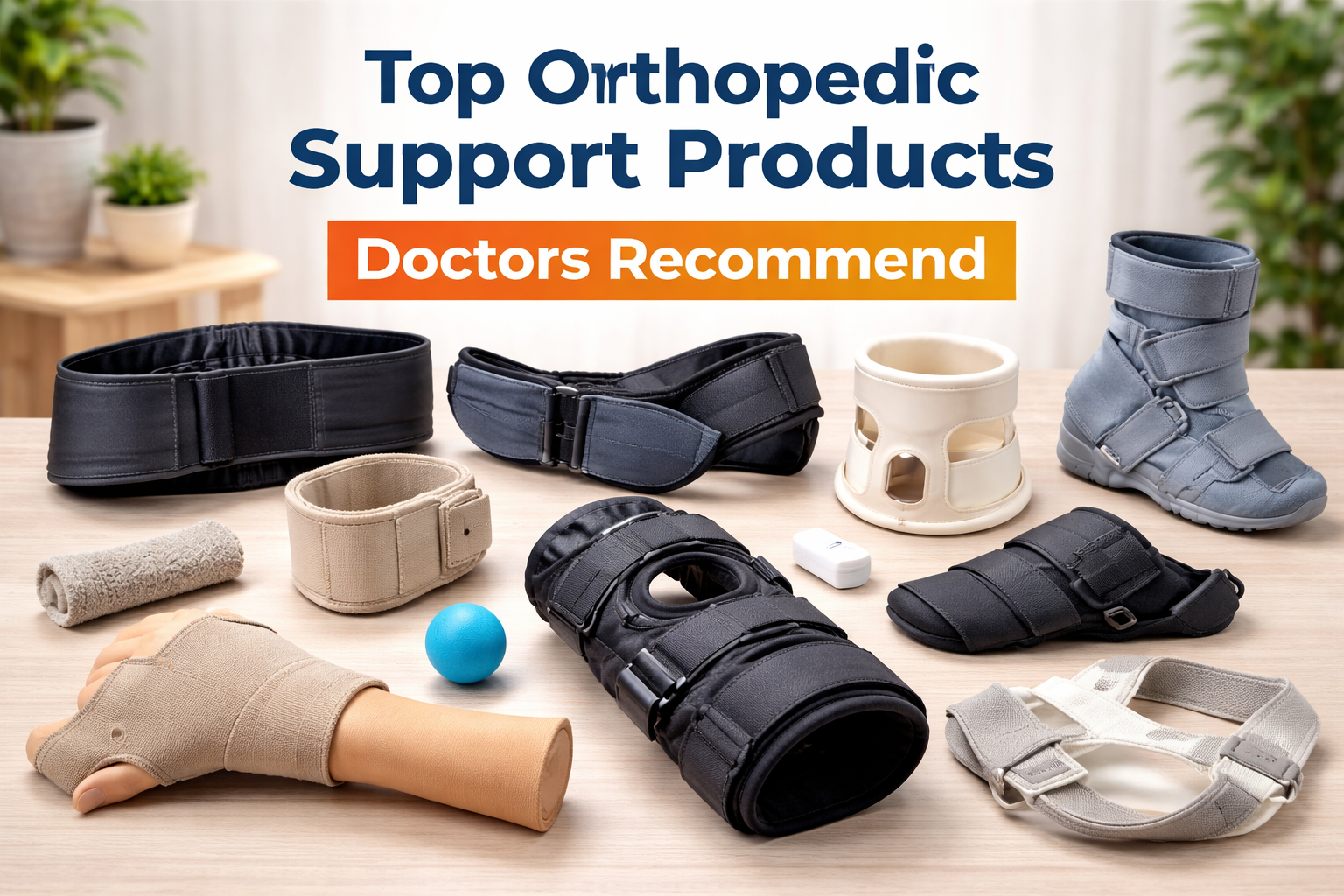
Users want trusted recommendations because pain affects quality of life. They don’t want trial-and-error purchases.
They search Top Orthopedic Support Products Doctors Recommend to find:
- What actually works
- Which support suits their condition
- Whether braces are safe
- Which product lasts longer
- Whether support helps avoid surgery
Expert Buying Tips Before Purchase
- Identify exact pain area
- Check if support is preventive or recovery based
- Select proper size
- Choose breathable fabric
- Avoid fake medical claims
- Buy from reputable supplier
- Replace worn-out supports on time
Top Orthopedic Support Products Doctors Recommend can play a valuable role in pain management, rehabilitation, posture correction, and injury prevention. The right support can make daily life more comfortable, improve movement confidence, and assist recovery when used correctly.
Whether you need a knee brace, wrist support, lumbar belt, ankle stabilizer, or posture corrector, always focus on fit, quality, and purpose. A reliable source like GlobMedSurgicare can help you access dependable orthopedic solutions for home, office, fitness, or recovery use.
If pain is persistent, severe, or worsening, consult a qualified doctor or physiotherapist before choosing any support product.
FAQs – Top Orthopedic Support Products Doctors Recommend
Q 1. What are the most recommended orthopedic support products by doctors?
Usually knee braces, lumbar belts, wrist supports, ankle braces, cervical collars, and posture correctors depending on the condition.
Q 2. Do knee braces really help arthritis pain?
Many users experience improved stability and reduced discomfort, especially during walking.
Q 3. Can I wear a lumbar belt daily?
Some people do temporarily, but long-term daily use should be guided by a professional.
Q 4. Which wrist brace is best for typing pain?
A neutral-position wrist brace is commonly suggested for repetitive strain symptoms.
Q 5. Are cheap orthopedic supports worth buying?
Low-cost products may lack durability, proper fit, and effective support.
Q 6. Can posture correctors fix rounded shoulders?
They can assist awareness and alignment, especially when paired with exercises.
Q 7. How tight should an orthopedic support be?
Snug but comfortable. It should not cause numbness, tingling, or color change.
Q 8. Where can I buy genuine orthopedic support products online?
Buy from reputable medical suppliers like GlobMedSurgicare that provide sizing guidance and trusted brands.
